Last week, our beloved trainer took a well-deserved holiday, leaving me with the honor and blessing of teaching some of her lessons. While I’ve taught beginner “up-down” lessons before, the challenge of instructing her more advanced students—those well beyond mastering their diagonals and leads—was a bit intimidating.
As the week progressed, I found myself reflecting deeply on the experience. Standing on the ground, schooling someone else, taught me more than I ever expected. There were moments I felt hypocritical, hounding students for mistakes I make daily without even being conscious of them. However, this introspection was invaluable.
One of the most profound realizations I had was the importance of perspective. As riders, we’re often so focused on our own form, balance, and connection with our
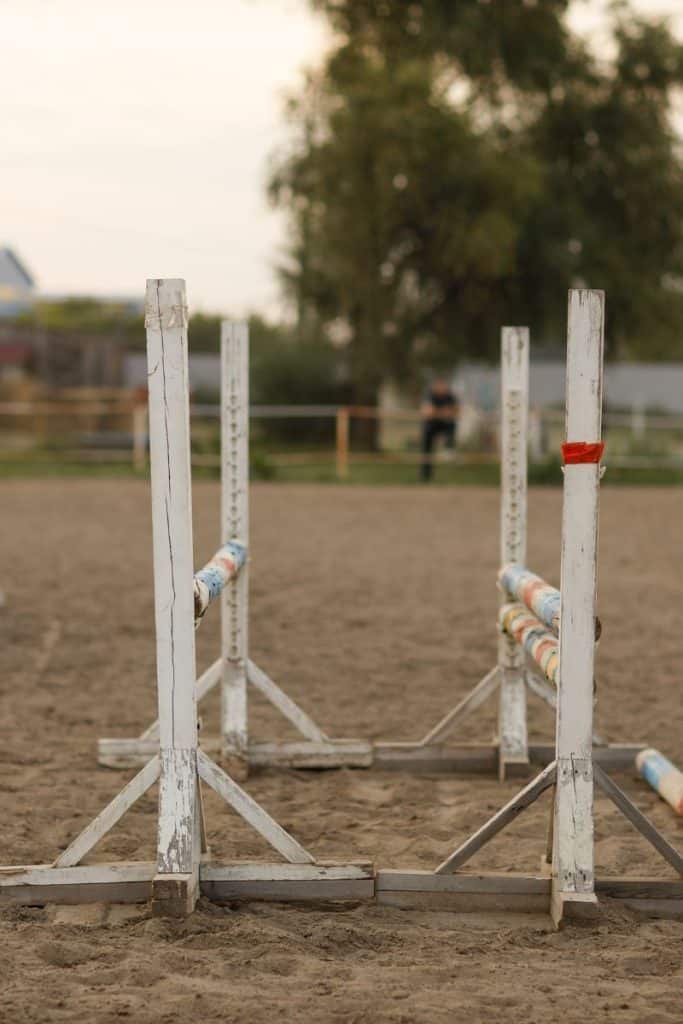
One important reason for a training barn to have someone available to fill in is that many insurance policies require supervision. Riders should not be jumping without being overseen by someone on the ground. This policy was brought to life one afternoon when I arrived to find someone questioning how to ride a torn-down gymnastics setup from earlier in the day. My immediate reaction was, “WHAT?!” Not only should no one be jumping without supervision due to the trainer’s barn rules—which I’m sure are heavily influenced by insurance requirements—but also, if you have to ask for guidance and don’t have the knowledge or time to walk through it yourself, you probably shouldn’t be jumping on your own.
A few days later, I asked a student to set a four-stride line. After they set the line, I walked it to make sure that the distance was accurate. When I walked it, it was a perfect three-stride, which provoked the lesson of the day: how to set a line on an average 12-foot stride and not forgetting the distance needed for the
This experience highlighted the often-overlooked value of learning from the ground. I now strongly encourage trainers to have their students shadow them for a lesson or two each month. There’s an incredible amount of knowledge to be gained from observing and instructing others. It’s a practice that fosters empathy, sharpens technical skills, and enhances overall horsemanship.

Get jumping! This collection presents a logical series of fun and rewarding exercises that are designed to develop your horse-jumping skills. With straightforward instructions and clear arena maps, this guide can be hung on a pole and easily referenced from the saddle. In addition to clearly articulated goals and progressively difficult variations, each exercise also includes encouraging advice on what the rider should keep in mind while jumping. Saddle up and get ready to fly through the air with grace and confidence.
In conclusion, my week of teaching taught me invaluable lessons that I will carry forward in my riding and teaching journey. It’s a reminder that, in the world of equestrianism, learning never truly stops, and sometimes the best insights come from a change in perspective.
Happy riding, and may we all continue to learn and grow, both in and out of the saddle!
Leave a Reply