Quick Veterinary Disclaimer: The information in this article is provided for educational purposes only and is not intended to replace professional veterinary advice. Always consult a licensed veterinarian before administering any medication or treatment to your
There’s a moment in every
At first it’s just a tube of something the vet leaves behind. Then maybe a little powdered medication folded neatly into the corner of the grain room. Before long, you’re standing in the aisle at the barn, holding a syringe of paste, wondering how it is that you now know words like phenylbutazone and flunixin without even blinking.
Horses have a funny way of teaching us things we never expected to learn.
They teach us patience when we’re waiting for a leg to heal. They teach us humility when a simple scrape turns into three weeks of stall rest. And sometimes they teach us that caring for a thousand-pound animal means understanding a whole new world of medications, treatments, and the delicate balance between helping a
In the
Knowing what these medications are, why they’re used, and where their risks lie is part of becoming a more informed
Because when it comes to horses, the goal is never just getting them through the day—it’s helping them stay sound, comfortable, and happy for the long ride ahead. 🐎
Common Horse Medications
1. Phenylbutazone (“Bute”)
What it’s used for
- Pain relief
- Inflammation
- Lameness
- Arthritis
- Laminitis pain management
Upsides
- Very effective for musculoskeletal pain
- Inexpensive and widely available
- Works quickly
Downsides
- Can cause stomach ulcers
- Can damage kidneys and liver with long-term use
- High doses can cause right dorsal colitis (serious colon inflammation)
Common in
- Performance horses
- Older horses with arthritis
- Short-term injury recovery
2. Flunixin Meglumine (Banamine)
What it’s used for
- Colic pain
- Fever
- Inflammation
- Endotoxemia
Upsides
- Excellent visceral pain relief (especially colic)
- Fast acting
- Helps control inflammation
Downsides
- Same risks as other NSAIDs:
- ulcers
- kidney damage
- Injectable form must be given IV only — accidental muscle injection can cause severe infections
Common in
- Emergency colic treatment
- Fever management
3. Omeprazole (GastroGard / UlcerGard)
What it’s used for
- Treating equine gastric ulcers
- Preventing ulcers in performance horses
Upsides
- Gold standard for ulcer treatment
- Very effective
- Helps improve appetite and attitude
Downsides
- Expensive
- Long treatment courses often required (28 days+)
- Ulcers can return if management doesn’t change
Common in
- Racehorses
- Show horses
- Horses in heavy training or travel
4. Dexamethasone
What it’s used for
- Severe inflammation
- Allergic reactions
- Respiratory disease (heaves)
- Immune disorders
Upsides
- Extremely powerful anti-inflammatory
- Fast acting
- Helpful in respiratory crises
Downsides
- Can trigger laminitis in some horses
- Suppresses immune system
- Not for long-term use without careful monitoring
5. Xylazine / Sedatives
What it’s used for
- Sedation
- Dental procedures
- Clipping
- Minor surgeries
- Diagnostic work
Upsides
- Reliable sedation
- Fast acting
- Makes procedures safer for
horse and vet
Downsides
- Drops heart rate and blood pressure
- Horse may stagger
- Short duration (sometimes needs repeat dosing)

Natural Comfort Support for Your Horse 🐎
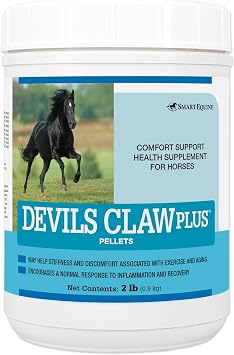
Looking for a gentler alternative to traditional bute? Absorbine Bute-Less Pellets are a popular option many horse owners use to help support comfort and mobility. Made with natural ingredients like Devil’s Claw, yucca, and vitamin B-12, the formula helps support a healthy inflammatory response and recovery after exercise.
✔ Supports comfort after training or hard work
✔ Gentle on the stomach
✔ Easy daily pellet supplement
Perfect for horses that need extra support for stiffness, soreness, or recovery while staying on a daily feed routine.
Always consult your veterinarian before adding any supplement to your horse’s diet. 🐎
6. Antibiotics (Penicillin / SMZs / Gentamicin)
What they’re used for
- Bacterial infections
- Wounds
- Respiratory infections
- Post-surgery
Upsides
- Life-saving for infections
- Many affordable options
Downsides
- Some horses have severe allergic reactions (especially penicillin)
- Can disrupt gut bacteria
- Overuse contributes to antibiotic resistance
7. Acepromazine (“Ace”)
What it’s used for
- Mild sedation
- Anxiety
- Stall rest management
- Travel calming
Upsides
- Long lasting calming effect
- Useful for nervous horses
- Helps prevent injury during stall rest
Downsides
- Can lower blood pressure
- Some horses become overly sensitive
- Rare but possible penile prolapse in geldings
Important Reality in the Horse Industry
Even though these medications are common, they’re not harmless. The biggest issues seen in the industry are:
- Overuse of NSAIDs (bute/banamine)
- Masking pain in performance horses
- Ulcers from stress and medication
- Laminitis triggered by steroid use
Good veterinarians always balance treatment vs. management changes.
💡 Interesting industry stat:
According to the Merck Veterinary Manual, gastric ulcers affect more than 60% of sport horses and up to 90% of racehorses.
I am not a veterinarian. I’m simply a
Leave a Reply